Fact Sheets

Aquatic life fact sheets

Fact Sheet: Marimo Moss Balls

Fact Sheet: Marimo Moss Balls

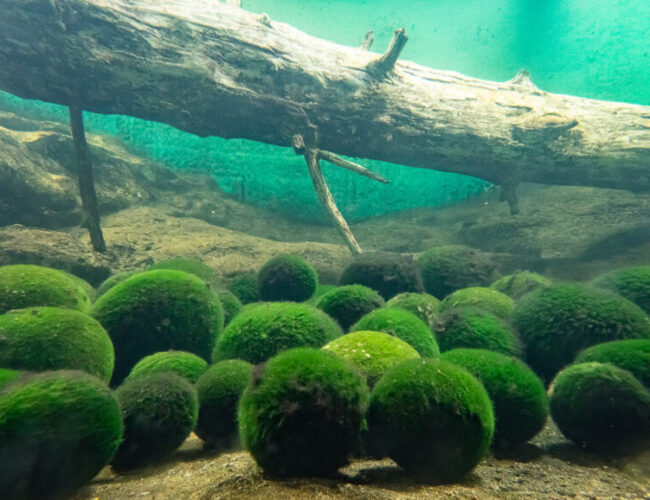
The sale of Marimo Balls are restricted and require a declaration they are Zebra Mussel free in Canada. Marimo moss balls (Aegagropila linnaei), also known as lake balls, are a rare, spherical growth form of filamentous green algae that naturally form in a few cold freshwater lakes in the Northern Hemisphere. Despite their common name, they are not moss and do not have a central kernel; they are solid algae. Characteristics In their natural habitat (such as Lake Akan in Japan and Lake Mývatn in Iceland), gentle water currents roll the algae along the lakebed, which causes it to form a compact, velvety…
Fact Sheet: Corydora Catfish

Fact Sheet: Corydora Catfish

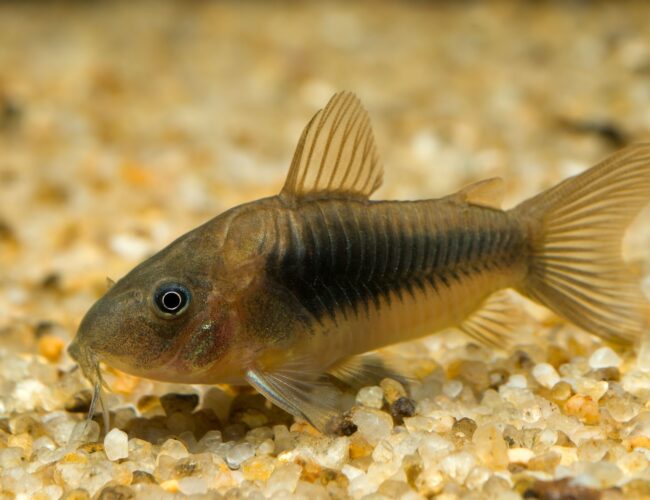
Corydora catfish, often just called cory cats, originate from South America. They are native to freshwater rivers, streams, and floodplains primarily in the Amazon basin and surrounding regions. They typically inhabit slow-moving or still waters with soft substrates where they scavenge for food. Their natural habitats are usually shallow waters with plenty of leaf litter, submerged roots, and vegetation — perfect for hiding and feeding on detritus, small invertebrates, and organic matter. Behaviour Corydoras are peaceful, social bottom feeders who enjoy groups, love to explore and scavenge, and have unique air-breathing behavior. They spend most of their time on the…
Fact Sheet: Zebra Mussels

Fact Sheet: Zebra Mussels

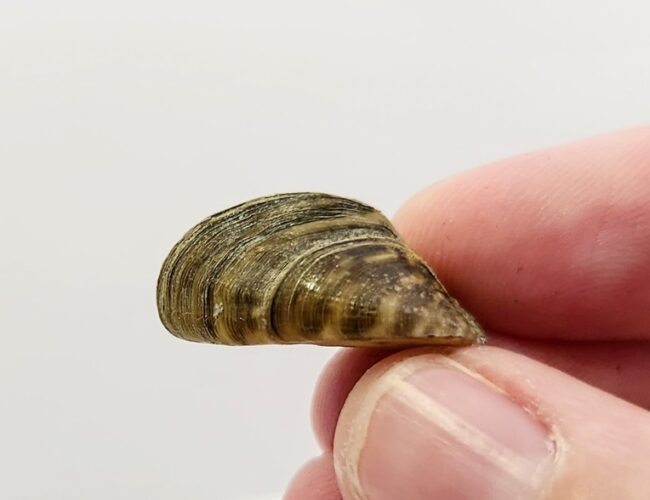
Zebra Mussels are an invasive species that are banned from most waterways in Canada and the United States. Zebra Mussels were first detected in Canada in 1988 in Lake St. Clair near the Great Lakes. The introduction of these invasive species is thought to have come from the ballast and anchors of ocean-going ships travelling the St. Lawrence Seaway. They have been millions of dollars of damage to other vessels, rigging, docks and ocean structures as well as local species that call the Great Lakes home. They have been declared an Invasive Species as of 1996 as willing introduction into…
Fact Sheet: Angelfish

Fact Sheet: Angelfish

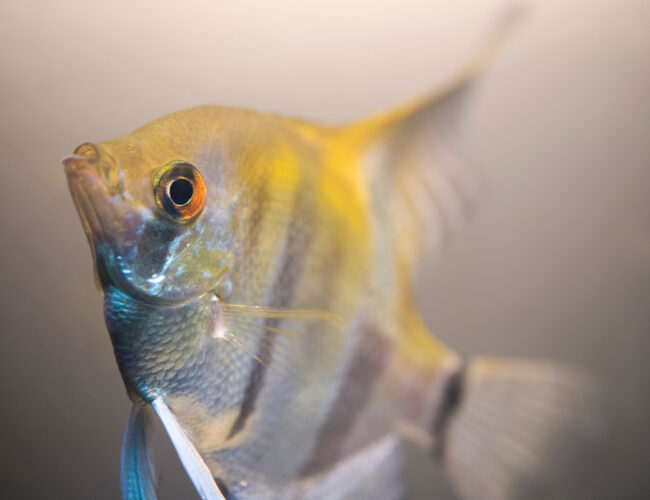
Angelfish inhabit slow-moving, heavily vegetated freshwater rivers and floodplains, where the water is typically warm, soft, and slightly acidic. Their tall, flat bodies are well adapted to navigating dense underwater vegetation. They originate from South America, specifically from the Amazon Basin and its tributaries. Behaviour Angelfish have some really interesting and sometimes surprising behaviours—especially once they settle into their tank and get comfortable. Typically, they are graceful, slow swimmers and prefer the middle and upper levels of an aquarium. They are particularly fond of tall plants where they like to weave in and out of. Officially, Angelfish are semi-aggressive, as…
PHP Code Snippets Powered By : XYZScripts.com