Andrew

16 Posts
Fact Sheet: Betta

Fact Sheet: Betta

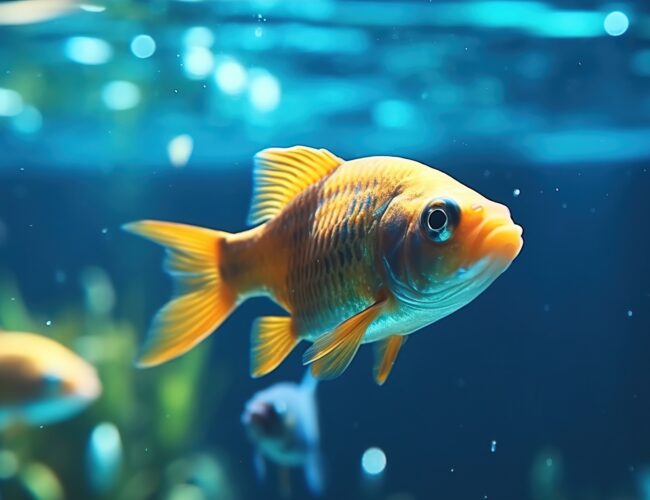
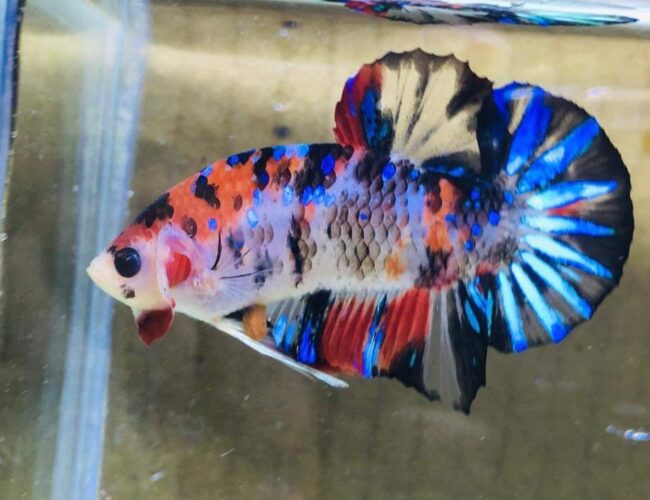
Betta fish (most commonly Betta splendens) are small, brightly colored tropical freshwater fish best known for the flowing fins of many males and their bold, territorial personalities. Native to Southeast Asia, they’re “labyrinth fish,” meaning they can breathe air at the surface as well as use their gills, which helps them handle warm, slow-moving waters—but they still thrive in clean, heated, well-filtered aquariums. Males are typically kept alone because they may fight other males, while many bettas spend their time cruising the tank, exploring plants and hiding spots, and flaring their fins as a display. Behaviour In an aquarium, bettas…
Fact Sheet: White Cloud Mountain Minnow

Fact Sheet: White Cloud Mountain Minnow

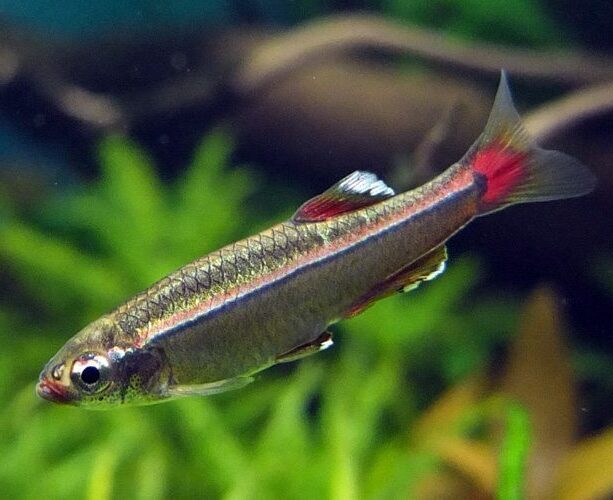
White Cloud Mountain minnows are small, peaceful, schooling fish best known for being hardy, active, and great in cooler freshwater tanks. Adults are only about 1.5in, with a slim body and a bright horizontal stripe; males are usually slimmer and more colorful than females. They do best in groups (8–10+) with plenty of swimming room, plants, and clean, well-oxygenated water. They’ll eat most small foods—flakes/micro-pellets as staples, plus brine shrimp or daphnia as treats—and are generally easy to keep, making them a solid choice for beginners and for unheated or lightly heated community setups. Behaviour Minnows are schooling fish and…
The Hungry Fish: Feeding Fish the Right Way

The Hungry Fish: Feeding Fish the Right Way

Probably one of the most common mistakes in the hobby is feeding fish in the right way to keep them healthy and strong. Overfeeding is probably the number one issue with beginner fish-keepers. Its most widely accepted that to feed your fish once a day is not a bad thing, but in this article, I'm going to explain how feeding them every other day seems to work better for me. The general rule-of-thumb from most sources is: Once a day, and only feed enough that your fish can consume within 2-3 minutes. When I first started in the hobby, I…
Fact Sheet: Marimo Moss Balls

Fact Sheet: Marimo Moss Balls

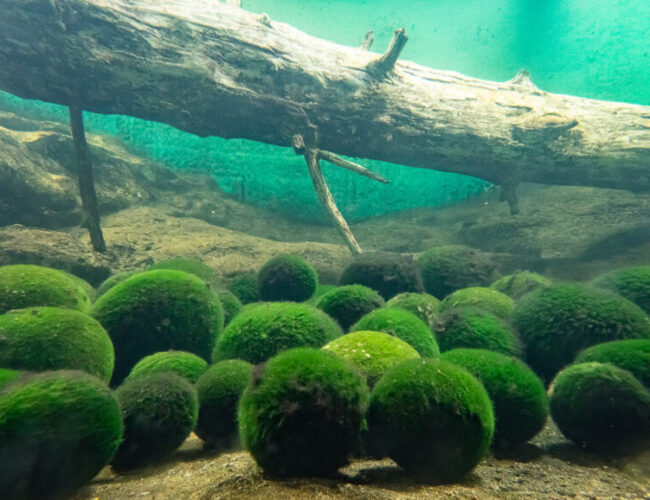
The sale of Marimo Balls are restricted and require a declaration they are Zebra Mussel free in Canada. Marimo moss balls (Aegagropila linnaei), also known as lake balls, are a rare, spherical growth form of filamentous green algae that naturally form in a few cold freshwater lakes in the Northern Hemisphere. Despite their common name, they are not moss and do not have a central kernel; they are solid algae. Characteristics In their natural habitat (such as Lake Akan in Japan and Lake Mývatn in Iceland), gentle water currents roll the algae along the lakebed, which causes it to form a compact, velvety…
Conserving Our Oceans & Marine Species

Conserving Our Oceans & Marine Species

Conservation efforts are on-going and worldwide, thanks to the work of many charitable organizations around the world. We'd like to highlight a few of our favorites on this page. To recover and restore a variety of threatened marine species, while connecting people to ocean wildlife. We aim to promote green, sustainable living, through education and outreach, both in person and online. Oceana is campaigning around the globe to protect and restore the world’s oceans. We partner with nonprofits to foster curiosity for wildlife and excitement for their conservation, one tracking experience at a time.
Fact Sheet: Corydora Catfish

Fact Sheet: Corydora Catfish

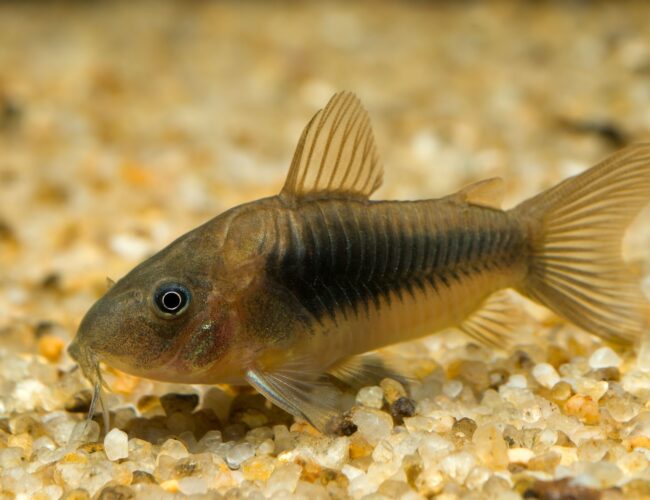
Corydora catfish, often just called cory cats, originate from South America. They are native to freshwater rivers, streams, and floodplains primarily in the Amazon basin and surrounding regions. They typically inhabit slow-moving or still waters with soft substrates where they scavenge for food. Their natural habitats are usually shallow waters with plenty of leaf litter, submerged roots, and vegetation — perfect for hiding and feeding on detritus, small invertebrates, and organic matter. Behaviour Corydoras are peaceful, social bottom feeders who enjoy groups, love to explore and scavenge, and have unique air-breathing behavior. They spend most of their time on the…
Fact Sheet: Zebra Mussels

Fact Sheet: Zebra Mussels

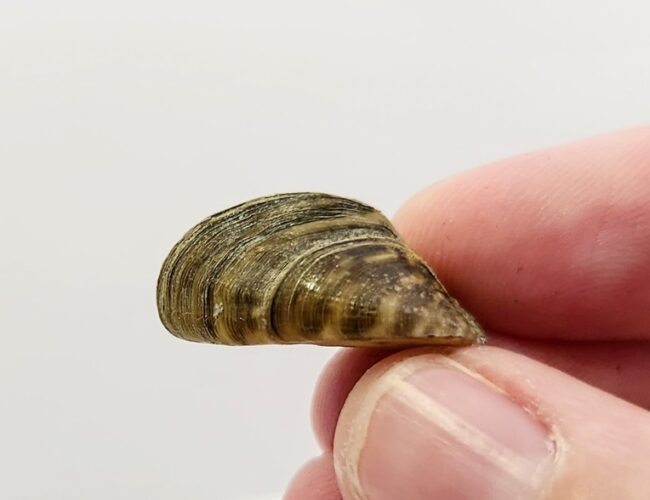
Zebra Mussels are an invasive species that are banned from most waterways in Canada and the United States. Zebra Mussels were first detected in Canada in 1988 in Lake St. Clair near the Great Lakes. The introduction of these invasive species is thought to have come from the ballast and anchors of ocean-going ships travelling the St. Lawrence Seaway. They have been millions of dollars of damage to other vessels, rigging, docks and ocean structures as well as local species that call the Great Lakes home. They have been declared an Invasive Species as of 1996 as willing introduction into…
Aquarium Toolkit

Aquarium Toolkit

When building an aquarium, you are building an ecosystem and it can be intimidating to know where to start or what supplies you need. I know when I first started out, it was hard to understand what was "required" and what was a "nice to have." This is what has inspired this post, what I like to call your "Aquarium Toolkit." I've attempted to take out some of the guess work and give you a down-to-earth, no-BS list of things that will greatly increase your success in the hobby, even if you are on a budget. You might be wondering…
Cycling Your Aquarium

Cycling Your Aquarium

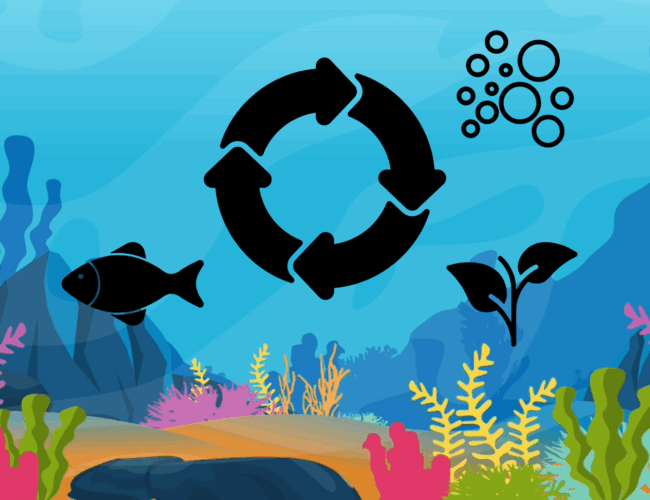
Introduction The best practices as to how to cycle an aquarium has changed over the years but the concept is constant. The Nitrogen Cycle is the key to happy and healthy fish, so the more you understand this, the more successful you will be in the hobby. In this article, I will talk about 3 different ways to cycle your aquarium. Each of these methods have advantages and disadvantages. It is critical you understand the Nitrogen Cycle, so let's dive into the chemistry first. The Nitrogen Cycle The Nitrogen Cycle is what we use to describe the chemistry going on…
Tidal 55 HOB Filter

Tidal 55 HOB Filter

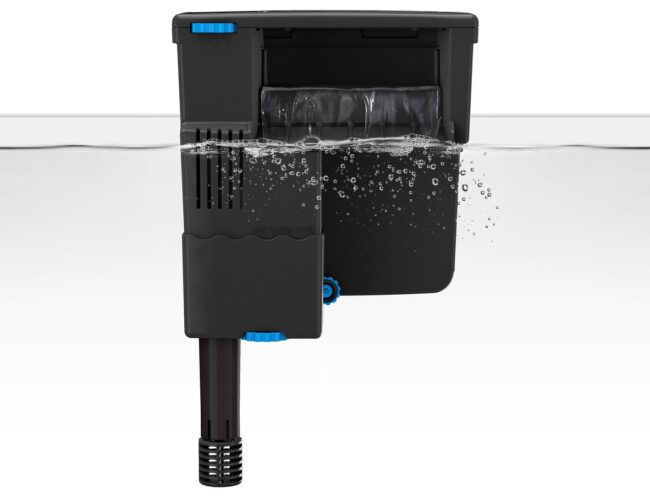
The Tidal HOB Filter is widely considered a premium filter with some great features. One of my favourites is how the media is contained in its own container so you can easily remove all the media at once for cleaning and maintenance. There are no proprietary filters required to run this HOB. You can also easily use your own bio media, although it comes with some great media out of the box. With a fairly steep price tag for a HOB, it comes with everything you need to get started. It comes with a course sponge for good mechanical filtration,…